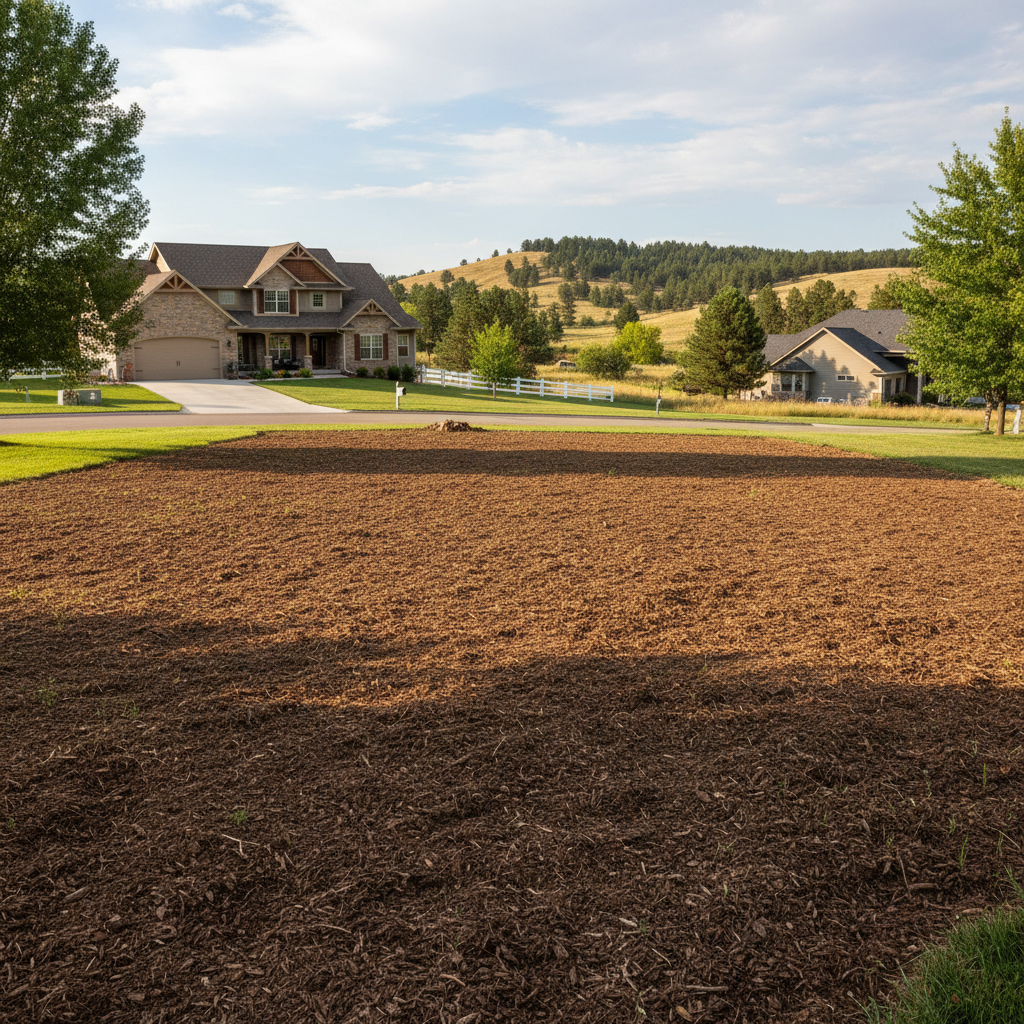
So, you finally got your lot cleared. Looks good, right? Ready for whatever you had in mind. That's a huge step, and it really feels great to see your property open and usable. But here’s the thing: nature doesn't just stop. Especially around Sturgis, with our growing seasons and those wet springs we sometimes get, things want to grow back. Fast. If you don't keep up, all that hard work and money you put into clearing can start to disappear under new growth quicker than you'd think.
Think of it this way: clearing is the big project, but maintenance is the ongoing care that makes that project last. You wouldn't clear your driveway of snow just once and expect it to stay clear all winter, would you? It's the same deal here. A little regular effort goes a long way to protect your investment and keep your land looking exactly how you want it.
Making Your Lot Clearing Last Longer
The biggest secret to long-lasting lot clearing? Staying ahead of the game. Once an area is cleared, the main goal is to stop those aggressive pioneer plants from taking root and becoming a problem again. This often means tackling it from a few different angles, especially if you had a lot of brush or invasive species removed.
- Seed Control: If the area was heavily wooded or just plain overgrown, there are probably dormant seeds hanging out in the soil. Some of them can sprout super quickly. Consider laying down a thick layer of mulch or wood chips. This isn't just about making it look nice; it actually suppresses weeds by blocking sunlight and keeping the soil temperature steady. Plus, if you used a local company like Progressive Tree, you might even be able to get some of the chips from your own clearing project.
- Getting Desired Plants Started: Are you planning on grass? Wildflowers? Maybe a garden? Get those plants you actually want in the ground relatively soon after clearing. Healthy, established ground cover will outcompete weeds for resources, making it much harder for unwanted growth to take hold.
- Drainage Management: Water is life, sure, but it's also what helps things grow. Make sure your cleared area drains properly. Standing water can encourage certain types of weeds, and it can also lead to soil erosion, which just exposes new seed beds.
What "Regular Maintenance" Actually Means
Okay, so what's the actual work involved? It’s not nearly as intense as the initial clearing, but it definitely needs consistency. What you'll be doing depends a lot on your specific goals for the cleared land.
- Mowing/Trimming: If you're going for a grassy area, regular mowing is your absolute best friend. This keeps young saplings and brush from getting established. For bigger areas, a brush hog might be necessary a couple of times a year. Even if it's not a lawn, just keeping growth down to a manageable height stops it from becoming a tangled mess again.
- Spot Treatment: Keep an eye out for specific problem plants. Sometimes, a few stubborn saplings or invasive weeds will pop up. Catch them when they're small! Pulling them by hand, or using a targeted herbicide if you're comfortable with that, is way easier than letting them grow into a thicket.
- Checking for Erosion: After heavy rains, especially with our clay-heavy soils in some parts of Sturgis, check for signs of erosion. Ruts or exposed roots mean you might need to add some soil, plant some ground cover, or even consider some minor grading to direct water away.
- Debris Removal: Wind, snow, and even animals can bring new seeds or small branches onto your cleared land. A quick sweep or rake now and then keeps things tidy and prevents new growth from getting a foothold.
Signs That Something's Wrong
You'll know when things are starting to get out of hand. Your cleared land will begin to look less like what you pictured and more like it did before you even started. Here are some red flags:
- Quick Regrowth: If you see a lot of saplings or dense brush starting to come back fast, that's a sign you're losing the battle. Especially watch for quick-growing species like Box Elder or Cottonwood; they just love our local climate.
- Invasive Species Taking Over: Keep an eye out for plants that weren't there before or are spreading like crazy. Common ones around here might include certain types of thistles, leafy spurge, or even some kinds of honeysuckle. They can choke out your desirable plants incredibly fast.
- Erosion Issues: Deep ruts, exposed tree roots, or soil washing away after rain are serious problems. Not only does it make your land uneven, but it can destabilize nearby structures or trees.
- Can't Get Around: If you start finding it hard to walk through or use parts of your cleared land because of new growth, it's definitely time to act.
When to Call a Pro
While you can handle a lot of this maintenance yourself, there are times when bringing in the pros just makes sense. Don't hesitate to call if:
- The Regrowth is Just Too Much: If you've let it go for a bit and now you're looking at a small forest of young trees or a jungle of brush, it's probably beyond what a homeowner's mower or trimmers can handle. We've got the heavy equipment to knock that back down efficiently.
- You're Dealing with Stubborn Invasives: Some invasive plants are incredibly tough to get rid of, requiring specific treatments or removal methods. A professional will know the best way to tackle them without harming your desired plants or the environment—that's key.
- You Need Help with Drainage or Grading: If erosion is a serious problem, or you need to re-contour the land for better water flow, that's a job for someone with experience in land management and the right machinery.
- You're Not Sure What to Do: Sometimes, you just need advice. If you're seeing something weird or you're unsure about the best maintenance strategy for your specific property, give us a call. We're happy to take a look and give you an honest assessment.
Keeping your Sturgis lot clear is an ongoing effort, but it's one that really pays off. A little consistent work protects your initial investment and keeps your property looking its best. Don't let nature reclaim your hard work; stay on top of it, and you'll enjoy your open space for years to come.