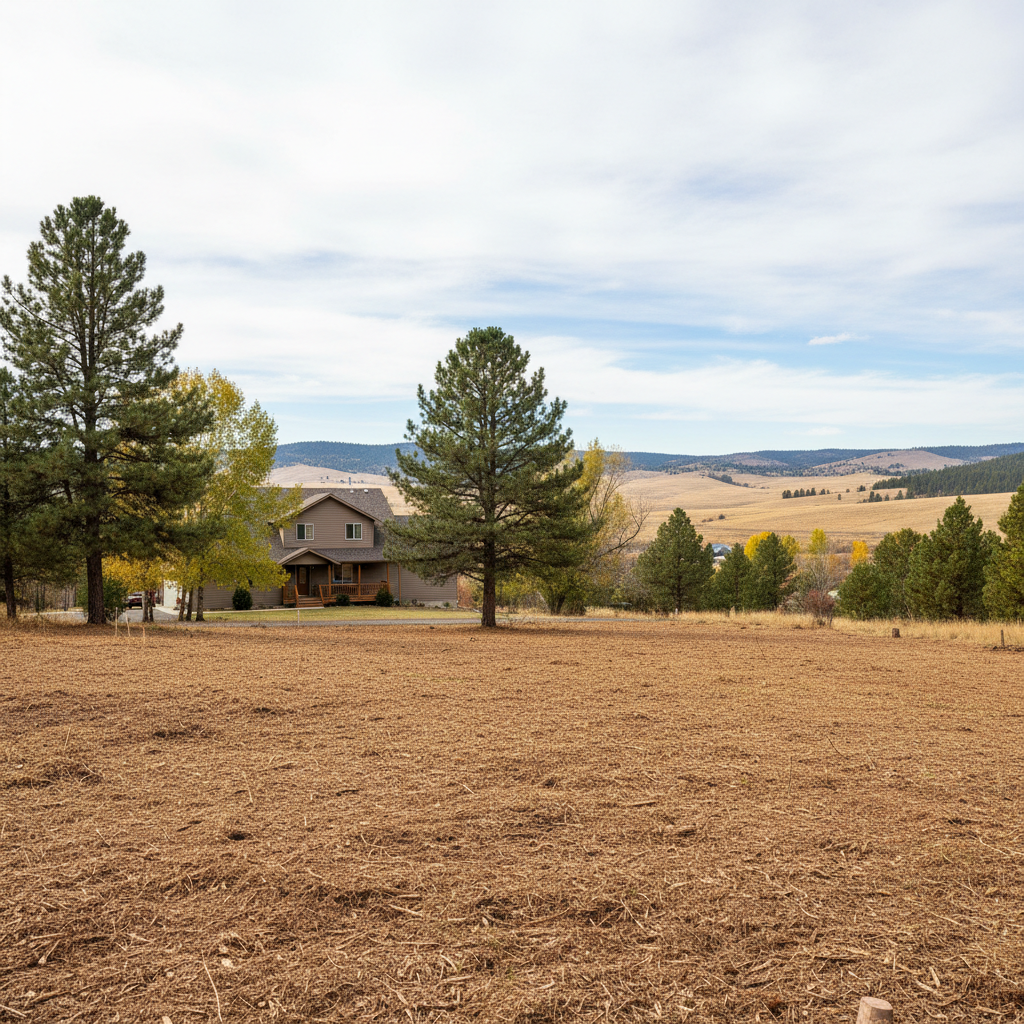
So, you've put in the work, clearing your lot right here in Sturgis. Maybe you got rid of some overgrown brush, took down a few hazard trees, or just prepped for a new build. That's a big deal, and it really changes how your property looks and how you can use it. But here's the kicker: clearing isn't a one-and-done kind of thing, especially not around here. Our climate and the way plants grow in the Black Hills mean you've got to keep an eye on things if you want that clear space to stay clear. I've seen it countless times – people clear a lot, then a year or two later, it's starting to look like a jungle again. Let's make sure that doesn't happen to you, okay?
Making Your Lot Clearing Last
When we clear a lot, we're basically hitting a reset button. To keep that button from springing right back, you need a plan. It's not about constant, back-breaking work, but consistent, smart effort. First, think about what you removed. If it was a lot of small brush and saplings, their roots are still in the ground. They're going to try and come back. That's just nature doing its thing, after all. For bigger trees, stumps are the main problem. They can sprout new growth, especially species like Box Elder or Cottonwood, which are super common around here, even up in the higher elevations near Deadwood. We often suggest stump grinding for this exact reason – it just gets rid of that regrowth potential right from the start.
Erosion is another big one. Especially on sloped properties, once you take away the plants, the soil is more exposed. Our spring thaws and those heavy summer rains can really wash away topsoil if it's not protected. Think about planting a cover crop, laying down some mulch, or even just scattering grass seed if you want to keep an area open. This isn't just about how it looks; it's about protecting your land and stopping bigger problems from popping up later.
Regular Maintenance: Your Ongoing To-Do List
This is where you save yourself a ton of headaches and money. Regular maintenance stops small problems from turning into big, expensive ones. Think of it like changing the oil in your truck – you do it regularly to avoid a blown engine, right?
- Walk your property: At least once a month, take a stroll around your cleared areas. Look for new sprouts, invasive weeds trying to take hold, or any signs of erosion. Catching things early really helps.
- Deal with new growth right away: Those little saplings might look innocent, but they grow fast. Pull them by hand if they're small, or grab a brush cutter for larger patches. Don't let them get settled in.
- Manage fallen debris: High winds, especially those we get during our infamous chinook events, can bring down branches or even small trees. Clear these away. It stops them from becoming fuel for future wildfires or creating trip hazards.
- Keep an eye on drainage: After a heavy rain or snowmelt, check how water is flowing across your property. Is it pooling where it shouldn't? Is it washing away soil? You might need to add some simple swales or French drains to redirect water.
- Mow or trim regularly: If you've cleared an area for a lawn or field, keep it mowed. This suppresses weeds and woody growth, making it much easier to maintain.
These aren't huge tasks, but doing them consistently prevents you from needing another major clearing project a few years down the line. It's about being proactive, not always reacting.
Warning Signs You Might Have a Problem
Sometimes, even if you try your best, things can get out of hand, or new issues just pop up. Knowing what to look for can help you figure out if it's something you can handle yourself or if you need professional help.
- Rapid, aggressive regrowth: If you're seeing dense thickets of new growth appearing faster than you can manage, especially from stumps or roots, that's a sign you're losing the battle.
- Significant erosion: Deep ruts, exposed tree roots, or large areas of bare soil after rain are red flags. This isn't just a visual problem; it can destabilize slopes and damage foundations.
- New invasive species: Keep an eye out for plants you don't recognize, especially those growing quickly and outcompeting native vegetation. Some invasives, like Russian Olive or Leafy Spurge, are tough to get rid of once established and can spread fast in our local ecosystem.
- Pest or disease outbreaks: If you notice a lot of dead or dying trees, or unusual insect activity in your remaining vegetation, it could signal a larger problem that might spread.
- Unusual water pooling: Standing water that doesn't drain, especially near structures, can mean a grading issue or blocked drainage.
When to Call a Professional
Look, I'm a big believer in doing things yourself when it makes sense. But there are times when you just need to call in the pros. That's what we're here for at Progressive Tree.
- If the regrowth is overwhelming: If you're looking at an area that's become a dense jungle again, and your chainsaw or brush cutter just isn't cutting it, it's time. We've got the heavy equipment and know-how to tackle large-scale brush removal and stump grinding efficiently.
- For serious erosion control: If you've got significant ruts or unstable slopes, you might need professional grading, terracing, or specialized erosion blankets. This isn't a DIY job.
- When dealing with large, dangerous trees: If you have dead or dying trees, especially near structures or power lines, don't risk it. Tree removal is dangerous work, and we've got the training and gear to do it safely.
- Suspected pest or disease issues: An arborist can diagnose tree health problems and recommend treatment or removal to prevent further spread.
- Planning new construction or landscaping: Before you break ground, having a professional assess your land for drainage, soil stability, and potential tree conflicts can save you a lot of headaches and money down the road.
Your cleared lot is an asset. With a little ongoing attention, you can keep it looking great and functioning exactly how you want it to, without having to start from scratch every few years. It's all about being smart and knowing when to ask for a hand.