Alright, let's talk about pruning your trees. A lot of folks think they can just jump into this job with a pair of loppers and a saw, but trust me, there's a right way and a wrong way to do it. Mess it up, and you're not just making your tree look bad; you could be hurting its health, inviting disease, or even creating a hazard. Do it right, though, and your trees will be stronger, healthier, and look a whole lot better.
I see a ton of DIY pruning jobs around Sturgis, especially after a rough winter or a big storm. Some are pretty good, but some... well, let's just say they make me wince a little. So, let's break down what you, as a homeowner, can realistically tackle yourself and when it's really time to call in someone like us at Progressive Tree.
Before You Even Think About Cutting
First off, know your tree. Seriously, what kind is it? When does it bloom? Pruning at the wrong time can totally mess with its flowering cycle or even stress it out. For most deciduous trees—the ones that lose their leaves—late winter or early spring, before the new growth starts, is usually perfect. The tree's dormant then, so it's less stressful, and you can see the branch structure clearly. For evergreens, a light touch any time of year is generally fine, but heavy pruning is best done when they're not actively growing.
Next, get the right tools. Please, don't try to saw off a four-inch branch with hand pruners. You'll just tear the bark and make a jagged cut, which is basically an open invitation for pests and disease. You'll need sharp hand pruners for small stuff (up to half an inch), loppers for branches up to an inch and a half, and a good hand saw for anything bigger. Make sure they're clean, too. A quick wipe with rubbing alcohol between trees, especially if you're working on something that looks a little sickly, can stop you from spreading disease around.
What You Can Safely DIY
You can definitely handle the smaller stuff. Think about what's easy to reach from the ground or a sturdy, short ladder without leaning or overextending yourself. Here's what I'd say is fair game for most homeowners:
- Dead or Diseased Branches: If a branch is clearly dead (no leaves, brittle, no green when you scratch the bark) or diseased (cankers, strange growths, discolored bark), get rid of it. Cut back to healthy wood.
- Crossing or Rubbing Branches: These can create wounds where they rub together, so pick the weaker or less desirable branch and remove it.
- Suckers and Water Sprouts: Suckers grow from the base of the tree or its roots. Water sprouts shoot straight up from branches. Both are usually weak growth and just suck energy from the tree. Nip 'em off.
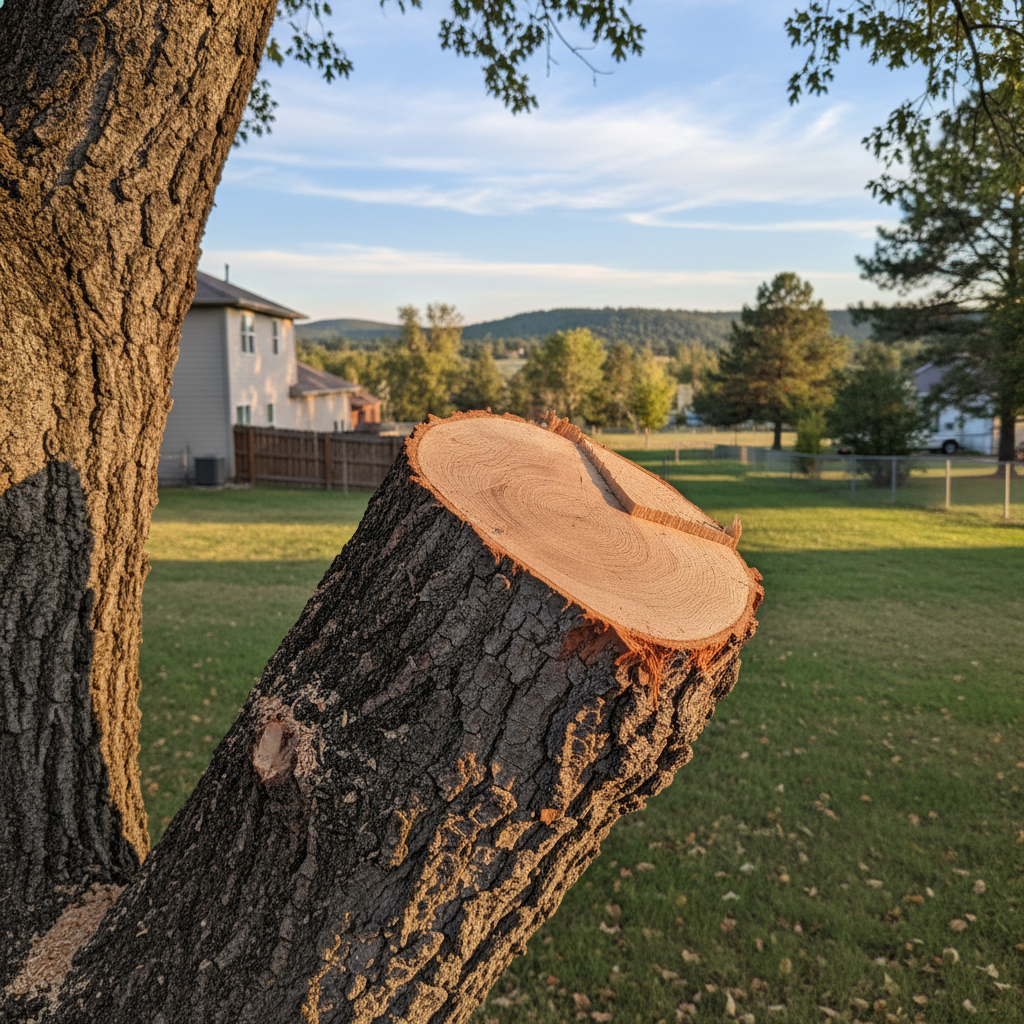
- Small, Low-Hanging Branches: If a branch is blocking a walkway, hitting your house, or just getting in the way, and it's small enough for your loppers or hand saw, go for it. Just make sure you're making a clean cut at the branch collar – that slightly swollen area where the branch meets the trunk or a larger branch. Don't leave stubs, and don't cut flush with the trunk.
Always make clean cuts. For bigger branches, use three cuts: first, an undercut about a foot out from the trunk, halfway through; second, cut from the top a few inches further out from the undercut to remove the weight; third, cut the stub cleanly at the branch collar. This prevents bark tearing, which is super important.
When to Call a Pro (That's Us!)
Now, here's where you need to be smart and know your limits. There are plenty of situations where trying to save a buck can cost you a lot more in the long run, or worse, put you in the hospital. You should absolutely call in a professional tree service like Progressive Tree when:
- It's a Big Branch or High Up: Anything that requires a ladder taller than a few steps, or a chainsaw, is usually a job for us. Working at height with power tools is incredibly dangerous.
- The Branch is Near Power Lines: This is a non-negotiable. Don't even think about it. Call the power company first, then call us.
- The Tree is Large or Mature: Big, old trees, especially those beautiful Ponderosa Pines we have all over the Black Hills, have complex structures. Improper pruning can ruin their shape, health, and even make them unstable. We know how to prune for structural integrity and long-term health.
- You're Not Sure What to Cut: If you're looking at a branch and thinking, "Hmm, is this important?" – that's your cue to call us. It's better to be safe than sorry.