Got a tree on your Sturgis property that needs to come down? It's a big decision, and it's easy to think, "How hard can it be?" Trust me, I've seen a lot of things go wrong over the years. Tree removal isn't just about cutting; it's about safety, planning, and knowing your limits. Let's break down what you need to know before, during, and after a tree removal project. More importantly, we'll talk about when to step back and let the pros handle it.
Before You Even Think About Cutting
First things first: why does this tree need to go? Is it dead, diseased, leaning dangerously, or just in the way of a new project? Understanding the 'why' helps you decide the 'how.' If it's dead, especially if it's been dead a while, it's probably brittle and unpredictable. That's a huge red flag for DIY.
Next, check your local Sturgis ordinances. Some trees are protected, or you might need a permit, especially if it's a large tree or close to property lines. You certainly don't want a fine because you didn't do your homework. Also, look up. Are there power lines nearby? If so, stop right there. Call Black Hills Energy, not a tree service, to assess the situation first. They'll tell you if they need to temporarily cut power or if their crews need to handle it.
Think about what's around the tree. Your house? Your neighbor's fence? Your prized petunias? What's the fall zone? A tree never falls exactly where you want it to, especially if you're not experienced. Gravity's a cruel mistress. Factor in the wind, too. Our Sturgis winds can pick up out of nowhere and turn a controlled fall into a total disaster.
DIY vs. Professional Tree Removal: Knowing Your Limits
Here's the honest truth: most homeowners can handle very small trees or saplings. We're talking trees you can easily push over with one hand, or small ornamental trees no taller than you are. If you can cut it with a hand saw from the ground without stretching or reaching, you might be okay. Even then, wear safety glasses, gloves, and sturdy boots. Make sure no one else is around. Always cut away from yourself, and watch for kickback if you're using a power tool.
But for anything larger than that, you really need to consider a professional. Here's why:
- Size Matters: If the tree is taller than your house, or if the trunk is thicker than your leg, it's a job for a pro. The weight and leverage involved are immense.
- Location, Location, Location: Is it near your home, garage, power lines, or a busy street? The risk of property damage or injury skyrockets.
- Condition of the Tree: Dead, decaying, or storm-damaged trees are incredibly dangerous. They can break apart unexpectedly. Branches can snap off without warning.
- Equipment: Do you have a professional-grade chainsaw, climbing gear, ropes, rigging, and a stump grinder? Probably not. Pros do, and they know how to use it safely.
- Insurance: This is huge. If you get hurt, or if you damage your neighbor's roof, your homeowner's insurance might not cover it if you were doing dangerous work yourself. A reputable tree service like Progressive Tree will be fully insured, protecting you from liability.
Seriously, I've seen people try to take down a big Ponderosa pine themselves. They buy a cheap chainsaw, watch a few YouTube videos, and think they're arborists. Then they end up with a tree limb through their shed or, worse, in the emergency room. It's just not worth the risk.
During the Removal (If You're DIYing Small Stuff)
If you've decided your tree is small enough for DIY, here's the quick rundown:
- Clear the Area: Make sure no people, pets, or valuable items are in the fall zone.
- Plan Your Escape Route: Know exactly where you'll go once the tree starts to fall.
- Notch First: For anything that requires a chainsaw, make a notch on the side you want the tree to fall. This directs the fall.
- Back Cut: Cut from the opposite side, slightly above the notch, until the tree starts to fall.
- Safety Gear: Always, always wear eye protection, hearing protection, gloves, and a hard hat.
For anything more complex, a professional will use ropes, pulleys, and precise cuts to control the fall, often taking the tree down in sections. They'll have a crew, not just one person, ensuring safety and efficiency.
After the Tree is Down
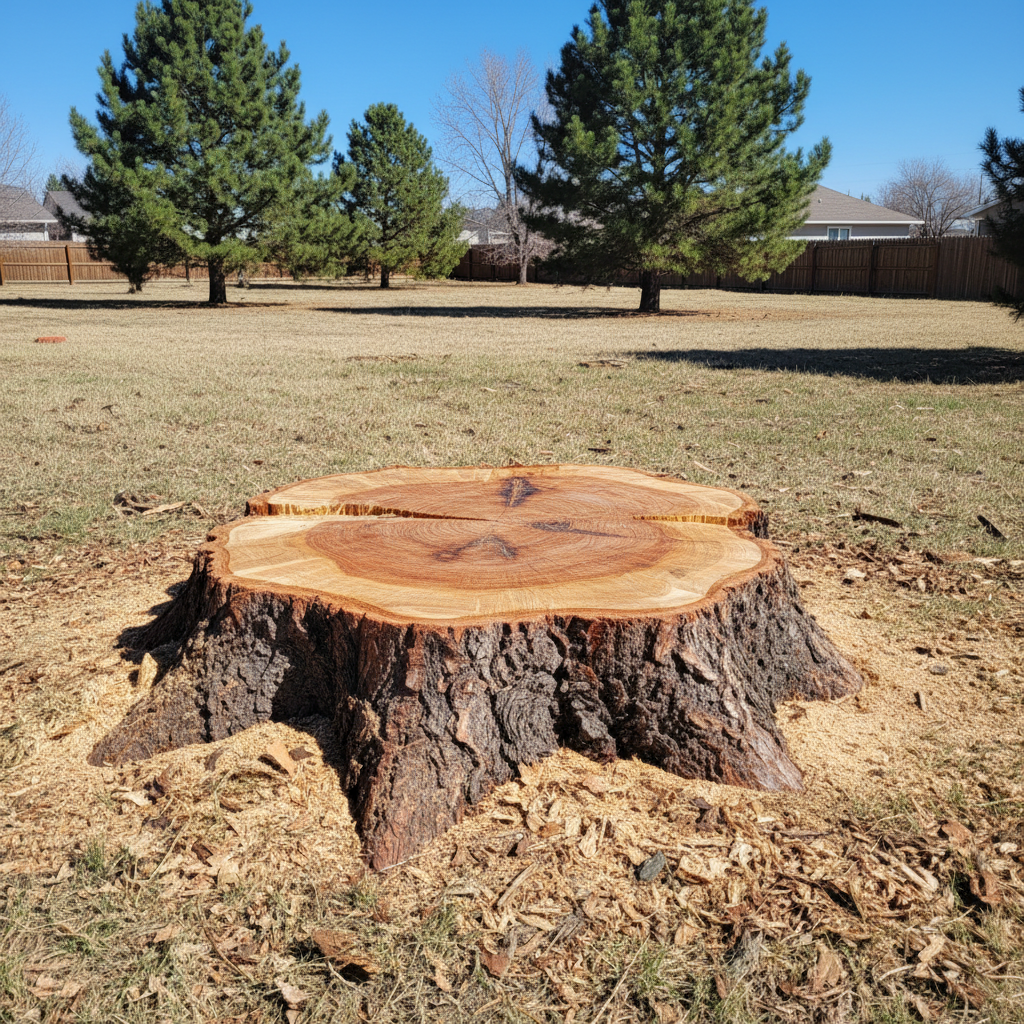
So, the tree's on the ground. Now what? You've got a lot of wood to deal with. If you're a DIYer, you'll need to cut it into manageable pieces for firewood or disposal. You'll also have a stump. Stumps can be an eyesore, a tripping hazard, and a home for pests. You can try to remove it yourself with chemicals or by digging, but it's a lot of back-breaking work. A professional service usually offers stump grinding, which is the fastest and most efficient way to get rid of it.
For bigger jobs, a professional service will typically haul away all the debris, leaving your yard clean. That's a huge benefit, especially if you don't have a truck or a way to get rid of large amounts of wood and branches.
Look, I'm all for homeowners tackling projects they can handle. It's satisfying. But when it comes to tree removal, especially for anything significant, the risks far outweigh the rewards of saving a few bucks. Call a few local Sturgis tree services, get some quotes, and make sure they're insured. Your safety, and your property's safety, are worth it.